
Mastering the art of bluffing in casino poker
Understanding the Basics of Bluffing
Bluffing is a fundamental aspect of poker, serving as a strategic tool that can determine the outcome of a hand. At its core, bluffing involves convincing opponents that you hold a stronger hand than you actually do. This deception can lead to opponents folding their potentially winning hands, allowing you to win the pot without having the best cards. Many players also enjoy the thrill of online games, such as the ripper casino , where successful bluffing requires a keen understanding of both your own playing style and that of your opponents, making it essential to develop a strong foundation in the art.
Every poker player comes with a unique set of tendencies. Some players are inherently aggressive and may call or raise frequently, while others play more conservatively and tend to fold instead of risking chips. Understanding these tendencies allows you to tailor your bluffing strategy accordingly. For instance, bluffing against a passive player who tends to fold at the first sign of aggression can be much more effective than attempting the same against an aggressive player who might call you down with weaker hands. This knowledge creates opportunities for strategic deception.
The timing of your bluff is crucial as well. A well-timed bluff can leave your opponents questioning their own hands, while a poorly timed one can lead to disaster. For instance, bluffing early in the game or after a few players have already shown strength can give your opponents too much reason to stay in the game. Mastering the art of bluffing means recognizing when the conditions for a successful bluff are ripe and when it might be better to play it safe, ensuring you capitalize on the right moments for maximum impact.
Recognizing the Right Moments to Bluff
Identifying the best moments to bluff requires a combination of observation, intuition, and strategic thinking. One optimal time to bluff is when you are in a late position at the table. Being able to observe how your opponents act before it’s your turn can give you critical insights into their potential hands. If you notice a player has just checked the pot after a series of aggressive bets, it may indicate weakness, giving you an opportunity to seize the moment with a well-placed bluff. This strategic insight can significantly tilt the odds in your favor.
Another effective scenario for bluffing arises when the board presents potential draws that could intimidate your opponents. For example, if the community cards show two hearts and a queen, a well-timed bluff can exploit the fear of a flush or a strong hand. By betting as if you have hit that flush, you can potentially force your opponents to fold hands that might otherwise compete strongly against yours. This technique not only capitalizes on the fear of strong hands but also enhances your overall strategy by keeping opponents guessing.
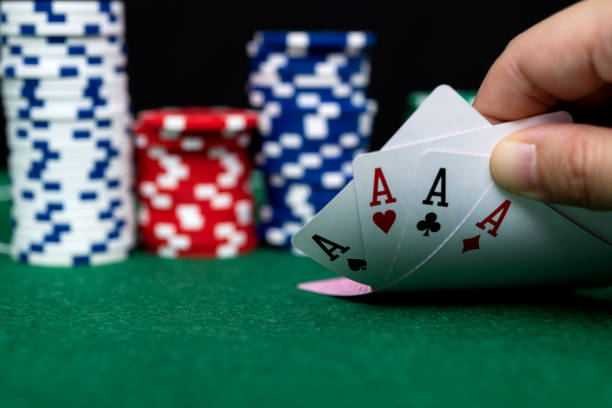
Moreover, the overall game dynamics play an essential role in determining when to bluff. Consider the emotional state of your opponents; if they are frustrated or eager to reclaim lost chips, they may be more prone to call your bets, making it a poor time to attempt a bluff. Observing the table’s atmosphere along with individual player behavior will enhance your ability to determine the right moments for your bluffs. This psychological insight can often be the key difference between a successful bluff and a costly mistake.
Developing Your Bluffing Technique
Building a successful bluffing technique demands practice and experience. One effective strategy involves adopting a consistent betting pattern, which builds credibility over time. If you frequently check-raise or consistently bet the same amount on strong hands, opponents are more likely to take your bluffs seriously when they see similar behavior. This inconsistency can heighten the effectiveness of your bluffs since your opponents may fail to discern the difference between strong and weak hands. Crafting this pattern is essential to becoming a formidable opponent at the table.
Additionally, consider the size of your bet when bluffing. A large bet can signify strength, but it can also raise suspicions if it appears too forced. Conversely, a smaller bet may look like a trap, enticing opponents to call. Finding the right balance can enhance your bluff’s credibility and make it harder for opponents to read your intentions. Experimenting with bet sizes during practice games will aid in refining your technique, allowing you to adapt your strategy based on the reactions of your opponents.
A crucial component of bluffing is the ability to read your opponents. An understanding of body language, betting patterns, and emotional responses can provide critical clues about their hands. If an opponent seems uneasy or is exhibiting signs of frustration, they might be more susceptible to your bluffs. Developing your observational skills will not only help you in bluffing but will also strengthen your overall poker game, providing you with the tools needed to adjust your approach dynamically during a match.
The Psychology Behind Bluffing
The psychological component of bluffing cannot be underestimated. Successful bluffing often hinges on the ability to manipulate the perceptions of your opponents. This entails creating a narrative that aligns with the way the hand is developing while simultaneously being aware that your opponents are also analyzing the situation. Confidence plays a key role; if you project uncertainty, your opponents are likely to pick up on that and question your strength. Cultivating a strong mental game is vital to maintaining an upper hand in bluffing scenarios.
Moreover, understanding the psychology of your own reactions when bluffing is equally important. Players often experience heightened anxiety or excitement during a bluff, which can negatively impact their decisions. Staying calm and composed helps you maintain the facade of strength, allowing you to execute your bluff without revealing your true feelings. Practicing deep breathing and visualization techniques can aid in maintaining your composure during high-stakes hand situations, thereby enhancing your ability to bluff effectively.
Additionally, consider that bluffing should be a calculated risk rather than a reckless gamble. Just as you anticipate how your opponents will respond to your actions, they are also anticipating yours. Assessing their reactions and adjusting your strategy accordingly can give you an upper hand. The psychological dance of bluffing requires adaptability and the ability to pivot based on the evolving dynamics at the table, ensuring that you remain unpredictable and challenging to read.
Explore More Strategies on Our Website
For those looking to deepen their understanding of bluffing and other poker strategies, our website serves as an invaluable resource. With a wealth of articles, tutorials, and expert insights, players of all levels can enhance their skills and gain a competitive edge. From beginner tips to advanced strategies, we cover a wide range of topics that cater to various aspects of the game, ensuring that every player has the tools they need to succeed.
Our community forums provide a platform for players to discuss strategies, share experiences, and learn from one another. Engaging with other poker enthusiasts fosters an environment of collaboration and learning, which is essential for growth. Whether you’re looking to refine your bluffing technique or explore other facets of poker strategy, our website aims to empower players through knowledge and practice, allowing them to evolve their game continually.
Recognizing that poker is as much a mental game as it is about skill and strategy, our resources are designed to enhance your overall gameplay. Join us on this journey to becoming a more skilled player and take your bluffing game to the next level today. With continuous learning and practice, mastering the art of bluffing in poker can elevate your performance and increase your chances of success at the table.