
What Symptoms Can You Expect After Quitting Alcohol?
However, it’s worth mentioning that alcohol cravings can be replaced with cravings for sugar. Many alcoholic beverages are high in sugar, and your body is still in recovery mode. While turning to sugar instead of alcohol is okay in the short term for most, you should work with your physician and therapist to identify healthier ways to cope with cravings. It’s likely the past few days have been challenging as your body is healing from the effects of alcohol.
These treatments help individuals maintain long-term sobriety and prevent relapse by addressing both the physical and psychological aspects of addiction. Medically Assisted Detox is a supervised detoxification process conducted in a hospital or clinic, where medical staff administer medications to manage withdrawal symptoms safely. You receive 24/7 monitoring, IV fluids, and medications like benzodiazepines and Naltrexone to control seizures, blood pressure, and Delirium Tremens (DTs). Inpatient medical supervision becomes essential—not recommended, essential—for anyone with a history of severe withdrawal symptoms, seizures, or delirium tremens. Multiple prior detoxifications, significant medical or psychiatric conditions, or lack of reliable support all elevate risk substantially (McKeon et al., 2008; Ramos, 2013).
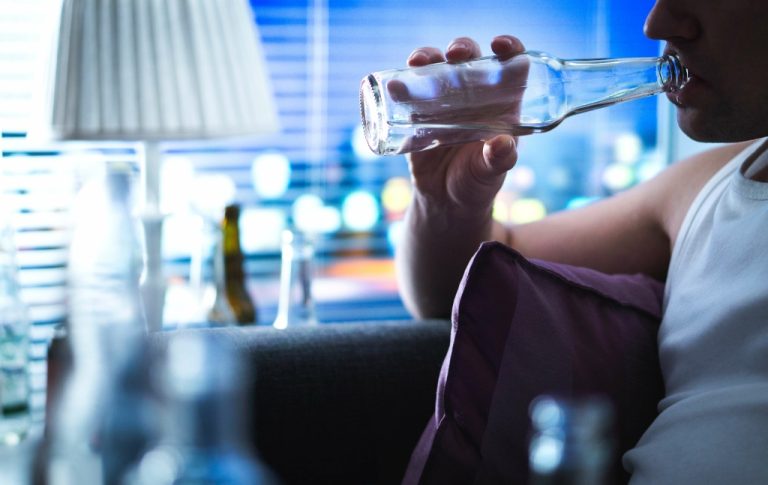
You shouldn’t attempt alcohol detox at home without medical supervision, as it can be life-threatening. Withdrawal symptoms like seizures and delirium tremens can develop rapidly and require immediate medical intervention. Even if you’re planning home detox methods, the safest approach is to first consult healthcare providers who can assess your risk level and recommend appropriate care. Home safety can’t be guaranteed during alcohol withdrawal, as complications can be unpredictable and severe. When you quit alcohol, you’ll experience symptoms within 6-12 hours of your last drink. Initial effects include anxiety, sleep problems, and mood swings, followed by physical symptoms like tremors and sweating within hours.
How is alcohol withdrawal diagnosed?
Medical detox provides your body with a safe space to start recovering. Your vital signs are monitored by staff, symptoms are treated, and medications are administered if necessary. Withdrawal symptoms can be mild, for example, headaches or mood swings.
Can I Drink Occasionally After Completing Alcohol Withdrawal?
When you stop drinking, your brain and body have to scramble to find a new equilibrium. The side effects you feel aren’t just random aches and pains; they’re the predictable, direct result of this massive recalibration effort. Think of it as your system relearning how to function without alcohol’s constant influence. Many people enter a phase known as Post-Acute Withdrawal Syndrome (PAWS). This is where the psychological side of things really comes into play. You might find yourself dealing with persistent mood swings, lingering anxiety, low energy, and sleep problems for weeks or even months.
- A clinical team provides 24/7 monitoring to track vital signs and can intervene immediately if dangerous complications arise.
- All of these effects result as the body adapts to life without alcohol.
- These stages progress in severity, requiring careful management, especially for those at risk of complications.
- Soon you’ll be on your way to more restful sleep, but in the meantime, developing a relaxing alcohol-free nighttime routine can help minimize discomfort.
Timeline of Alcohol Withdrawal
While most of these symptoms are manageable with the right support, there’s a point where they can become a true medical emergency. It’s absolutely critical to know the signs of severe withdrawal, as they demand immediate medical help. The physical reaction to alcohol withdrawal is usually the first and most intense part of the experience. These symptoms are tell-tale signs that your central nervous system is over-excited now that the depressant effect of alcohol is gone.
Counseling provides a platform for individuals to explore underlying issues related to their addiction and develop coping strategies. Alcohol addiction treatments work best using a combination of all methods. Yes, certain supplements help in alcohol detoxification by addressing nutritional deficiencies common in individuals with alcohol use disorder. Chronic alcohol consumption leads to a deficiency in thiamine (vitamin B1), essential for brain function.
Mild vs. Moderate vs. Severe Withdrawal
These initial symptoms signal your body’s adjustment to functioning without alcohol, marking the beginning of the withdrawal process. When you stop drinking alcohol, your body begins experiencing noticeable changes within the first 24 hours of abstinence. The early alcohol detox side effects symptoms typically emerge within 6-12 hours after your last drink, starting with sleep disturbances and increasing anxiety. This response occurs because alcohol suppresses neurotransmitters in the brain, requiring the body to readjust. This timeframe requires careful monitoring for severe complications such as delirium tremens, which commonly occurs 48 hours after stopping alcohol abruptly.
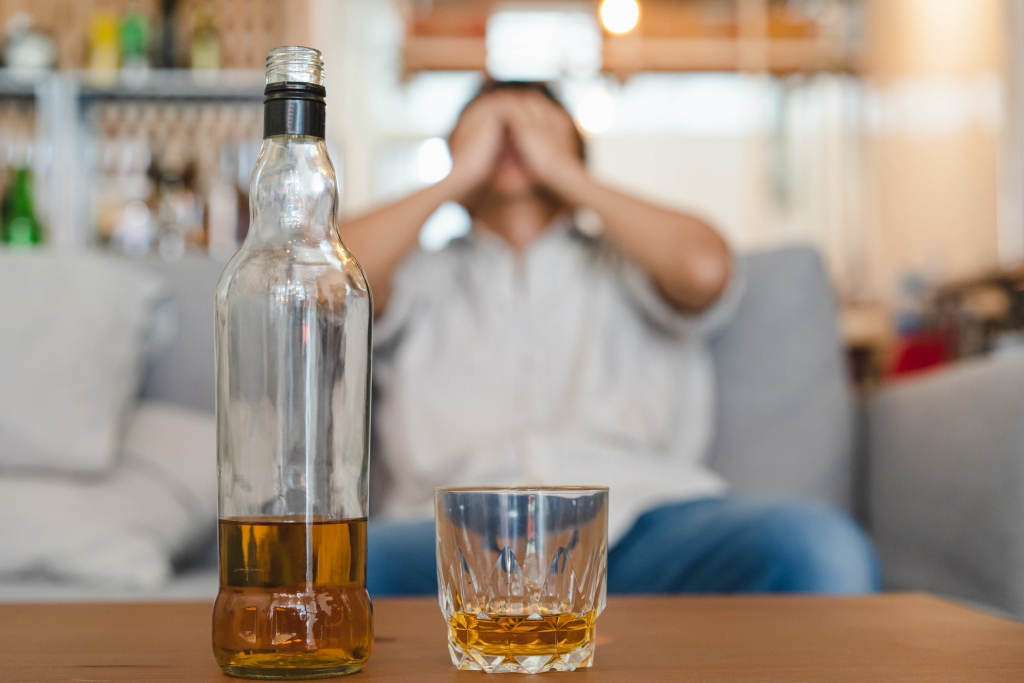
People who have an alcohol use disorder often find it difficult to stop drinking. Alcohol affects the brain by raising levels of Oxford House dopamine, which interrupts the brain’s natural dopamine production. It depresses natural brain functioning, which can lead to overstimulation of those systems when the person stops drinking.
When someone stops drinking alcohol after prolonged or heavy use, withdrawal symptoms typically emerge within 6-12 hours of their last drink. You’ll likely experience headaches, mild anxiety, insomnia, and stomach upset, along with tremors and sweating. These symptoms can quickly intensify, especially if you’re older or have a history of previous withdrawals. Statistics show that alcohol use disorder affects approximately 28.8 million adults in the United States. Doctors commonly provide vitamin B1 supplements during the initial detox phase to support your recovery. During this critical period, you’ll need medical supervision to monitor essential signs and manage potential complications.
Alcohol detox takes 6 to 12 hours after the last drink to begin, as withdrawal symptoms start emerging once alcohol levels in the bloodstream drop significantly. The onset of detox treatment depends on factors such as the severity of alcohol dependence, individual metabolism, overall health, and previous withdrawal history. The stages of alcohol detox occur in three phases, beginning with mild symptoms and potentially escalating to severe complications. These stages unfold within 6 to 72 hours after the last drink, requiring medical supervision for safety.
In 2023, 1,518 people entered residential detox, and over half completed it, with 41% continuing care afterward. While 26% dropped out, the numbers reflect the courage it takes to start, as recorded by the “Substance Use Overview 2023 Middlesex County” report from the New Jersey Department of Human Services. Most were living independently, many were working, and nearly 70% were men. After you stop drinking heavy, regular amounts of alcohol, your nervous system needs time to adjust. That can cause uncomfortable physical and mental symptoms, which can sometimes be life-threatening. Get support from your doctor, friends, and family when you’re ready to stop drinking.